KIM-1 toont prognostische waarde bij niercelcarcinoom, maar ontbreekt klinische validatie
Deze narratieve review evalueert de biologische onderbouwing en klinische toepassingen van het biomarker KIM-1 bij patiënten met niercelcarcinoom. Uit het huidige bewijs, dat voornamelijk uit retrospectieve analyses bestaat, blijkt dat verhoogde KIM-1-niveaus geassocieerd worden met diagnose en overleving, maar dat er geen sprake is van voorspellende waarde of gestandaardiseerde assays.
Voor de klinische praktijk is het biomarker op dit moment niet bruikbaar voor risicostratificatie of behandelbeslissingen, maar het blijft wel relevant voor translational onderzoek en de ontwikkeling van gerichte therapieën.
Abstract (original)
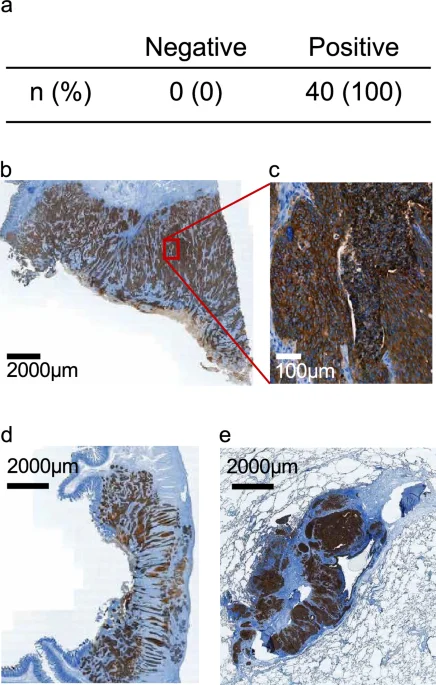
Renal cell carcinoma (RCC) is a biologically heterogeneous malignancy characterized by variable clinical behavior and diverse molecular phenotypes. Although immune checkpoint inhibitors and targeted therapies have transformed the treatment landscape of advanced RCC, clinically validated biomarkers capable of improving risk stratification, therapeutic-decision making and disease monitoring remain lacking. Kidney injury molecule-1 (KIM-1), also known as hepatitis A virus cellular receptor-1 (HAVCR1) or T-cell immunoglobulin and mucin domain-containing protein-1 (TIM-1), has emerged as a biologically compelling investigational biomarker e because of its close relationship to proximal tubular epithelial injury and renal carcinogenesis. KIM-1 is a transmembrane glycoprotein minimally expressed in normal kidney tissue but markedly upregulated in dedifferentiated proximal tubular epithelial cells following injury, and in clear cell RCC, where its extracellular domain can be shed into plasma and urine. Beyond its role as a marker of tubular injury, KIM-1 participates in immune regulation, phagocytosis, inflammatory signaling and tissue remodeling, supporting its potential relevance to tumor biology. Clinical studies have demonstrated associations between elevated circulating KIM-1 levels and RCC diagnosis, recurrence risk, and survival outcomes, particularly in localized and postoperative disease settings. KIM-1 has additionally been investigated as a therapeutic target through antibody-drug conjugate approaches. Despite promising translational data, important limitations yet remain. Current evidence is predominantly prognostic rather than predictive, and substantial analytical and biological challenges continue to limit implementation. Assay standardization, clinically meaningful cutoffs, specimen selection, timing of sampling, and confounding by chronic kidney disease or nonmalignant renal injury remain incompletely resolved. Furthermore, evidence supporting incremental value beyond established clinicopathologic models remains limited. This review critically evaluates the biological rationale, analytical considerations and clinical evidence supporting KIM-1 in RCC. Particular emphasis is placed on distinguishing prognostic, predictive, pharmacodynamic, and therapeutic applications, as well as defining the evidentiary gaps that must be addressed before clinical implementation. Current evidence is derived predominantly from retrospective and exploratory analyses, and important limitations remain regarding assay standardization, biological specificity, chronic kidney disease-related confounding, and prospective validation. The review concludes with a summary of the evolving landscape of KIM-1-directed biomarker strategies in RCC, which may ultimately contribute to improved biologic risk stratification and biomarker-driven clinical investigation in RCC.
Dit artikel is een samenvatting van een publicatie in Current oncology (Toronto, Ont.). Voor het volledige artikel, alle details en referenties verwijzen wij u naar de oorspronkelijke bron.
Lees het volledige artikelDOI: 10.3390/curroncol33070378