GPC3-gerichte TCR-fusieconstruct CT0180 toont voorlopige activiteit en beheersbare veiligheid bij gevorderd levercelcarcinoom
In een open-label fase I-studie onderzochten onderzoekers de veiligheid en voorlopige werkzaamheid van CT0180, een GPC3-gerichte TCR-fusieconstruct, bij zeven patiënten met gevorderd GPC3-positief hepatocellulair carcinoom die eerder gefaald hebben op standaardtherapie.
De interventie vertoonde een beheersbaar veiligheidsprofiel zonder dosislimiterende toxiciteiten of ernstige neurotoxiciteit; cytokine-release-syndroom trad op bij 85,7% van de patiënten maar bleef beperkt tot graad 1.
Wat betreft werkzaamheid werden twee partiële responsen en drie stabiele ziektes genoteerd, wat resulteerde in een objectieve responsfrequentie van 28,6% en een ziektedoorzichtfrequentie van 71,4%, met een mediane progressievrije en totale overleving van respectievelijk 7,6 en 11,6 maanden.
Immuunprofiling suggereert een verband tussen klinisch voordeel en basale NK-celverrijking, maar de zeer kleine steekproef en fase I-opzet beperken de directe vertaalslag naar de dagelijkse oncologische praktijk.
Abstract (original)
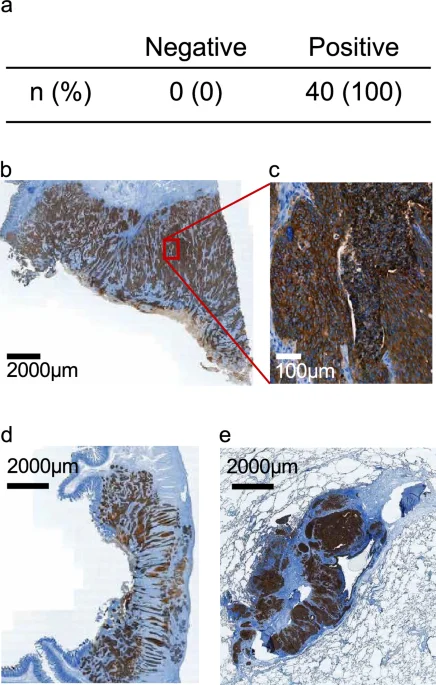
PURPOSE: Treatment options for advanced hepatocellular carcinoma (HCC) remain limited, and responses to later-line therapies are modest. Glypican-3 (GPC3), highly expressed in HCC but rarely in normal tissues, is an attractive tumor-specific target. CT0180 is a GPC3-targeted single-chain fragment variable linked to CD3ε designed to integrate into the native T cell receptor (TCR) complex and activate full TCR signaling upon GPC3 binding. METHODS: In this open-label, dose-escalation phase I trial, patients with advanced GPC3-positive HCC that had progressed on or were intolerant to standard therapies received CT0180 after fludarabine/cyclophosphamide lymphodepletion. The study objectives were safety, preliminary efficacy, and cellular pharmacokinetics. Single-cell RNA sequencing (scRNA-seq) and TCR sequencing were used to profile immune reconstitution. RESULTS: Seven patients received 15 infusions across four dose levels (DLs): 1×10⁷ (n=1), 3×10⁷ (n=1), 1×10⁸ (n=3), and 3×10⁸ (n=2) cells. Grade 3-4 adverse events were primarily hematologic. Cytokine release syndrome occurred in 85.7% of patients, all grade 1 with no dose-limiting toxicities or immune effector cell-associated neurotoxicity observed. Two patients (at DL2 and DL4) achieved partial responses, and three (at DL1, DL3, and DL4) achieved stable disease, yielding an objective response rate of 28.6% and a disease control rate of 71.4%. Median progression-free and overall survival were 7.6 and 11.6 months, respectively. scRNA-seq revealed baseline NK-cell enrichment in patients with clinical benefit and sustained cytotoxic CD8 effector expansion after repeat infusion. CONCLUSIONS: CT0180 demonstrated a preliminary manageable safety profile and clinical activity in heavily pretreated HCC, supporting further clinical evaluation.
Dit artikel is een samenvatting van een publicatie in Clinical cancer research : an official journal of the American Association for Cancer Research. Voor het volledige artikel, alle details en referenties verwijzen wij u naar de oorspronkelijke bron.
Lees het volledige artikelDOI: 10.1158/1078-0432.CCR-26-1084