Chirurgische resectie blijft enige curatieve optie bij primair hepatisch angiosarcoom, ICI-TKI-combinatie voor unresectabele ziekte
Een uitgebreide narratieve review beschrijft de behandeling van primair hepatisch angiosarcoom, een zeldzame en agressieve maligniteit. Chirurgische R0-resectie blijft de enige potentiële curatieve optie en verlengt de mediane overleving van 3,7 naar 17,2 maanden.
Bij unresectabele ziekte toont cabozantinib gecombineerd met nivolumab een responspercentage van 59% in taxaan-gepretreatede patiënten, terwijl gemcitabine een tweede-lijnsrespons van 38% oplevert. De bevindingen onderstrepen het belang van multidisciplinaire beoordeling, vroege chirurgische evaluatie en routinematige moleculaire profilering voor het optimaliseren van de zorg bij deze zeldzame sarcoom.
Abstract (original)
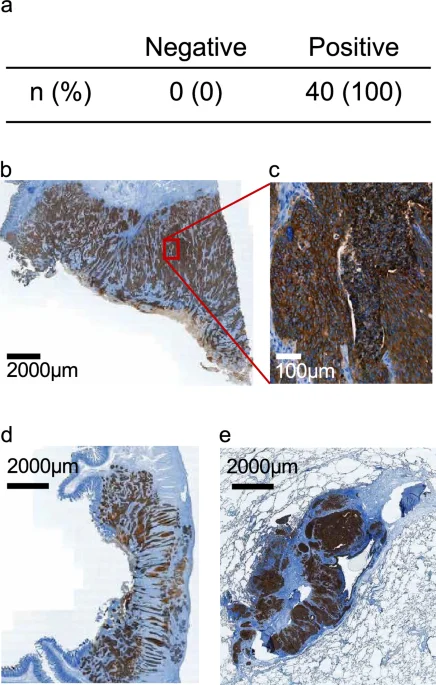
BACKGROUND: Primary hepatic angiosarcoma (PHA) is the most common primary malignant mesenchymal tumour of the liver in adults, accounting for only 0.1-2% of all primary hepatic malignancies. It carries a median overall survival of 6-9 months, driven by aggressive biology, non-specific presentation, and almost universal late-stage diagnosis. No disease-specific tumour markers, pathognomonic imaging features, or PHA-exclusive prospective trials exist. METHODS: A comprehensive narrative review was performed using PubMed, Embase, Cochrane Library, and Scopus. Search terms encompassed epidemiology, pathology, molecular biology, imaging, surgical and systemic management, and prognosis of PHA. Studies published up to June 2026 were included, with preference given to systematic reviews, multicenter cohorts, and prospective trials. RESULTS: ERG is the most sensitive and specific immunohistochemical marker for PHA (100% sensitivity vs. 79-87% for CD31/CD34). Surgical R0 resection - achievable in fewer than 25% of patients - is the only potentially curative modality, with median overall survival of 17.2 months post-resection versus 3.7 months without surgery. Liver transplantation is an absolute contraindication. For unresectable disease, cabozantinib plus nivolumab (Alliance A091902) produced an overall response rate of 59% in taxane-pretreated patients. Gemcitabine demonstrates second-line activity with an overall response rate of 38% and median overall survival of 9.9 months. Recurrent alterations in TP53, KDR, PIK3CA, PTPRB, and PLCG1 provide a rationale for routine molecular profiling, though no actionable target has been prospectively validated. CONCLUSION: Surgical resection where feasible, ICI-TKI combination therapy for unresectable disease, and routine molecular profiling represent the current cornerstones of PHA management. Progress requires international collaborative registries, multi-institutional trials, and specialist multidisciplinary care for all patients.
Dit artikel is een samenvatting van een publicatie in Journal of gastrointestinal cancer. Voor het volledige artikel, alle details en referenties verwijzen wij u naar de oorspronkelijke bron.
Lees het volledige artikelDOI: 10.1007/s12029-026-01552-5