Phase II Randomized Study of Maintenance Atezolizumab Versus Atezolizumab Plus Talazoparib in Patients With SLFN11 Positive Extensive-Stage SCLC: S1929.
Fase II-studie naar een nieuwe behandelbenadering bij longkanker. De studie onderzocht werkzaamheid en veiligheid als basis voor verdere klinische ontwikkeling.
Abstract (original)
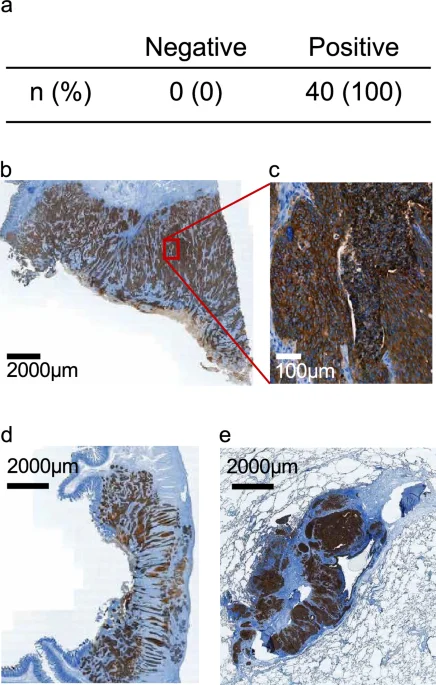
OBJECTIVE: To evaluate whether the addition of a poly (adenosine diphosphate-ribose) polymerase inhibitor talazoparib to maintenance immune checkpoint inhibitor atezolizumab after frontline chemoimmunotherapy improved outcomes in patients with Schlafen 11 (SLFN11)-positive extensive-stage SCLC (ES-SCLC). METHODS: Patients with newly diagnosed SLFN11 expressing (H-score ≥ 1, evaluated centrally) ES-SCLC were randomized to maintenance atezolizumab (A) versus atezolizumab plus talazoparib (AT) after frontline chemotherapy plus atezolizumab. The primary objective was to compare progression-free survival (PFS) using a one-sided 10% level stratified log-rank test. Secondary endpoints included objective response rate, overall survival, and toxicity. The target sample size was 84 eligible patients. RESULTS: From June 15, 2020, to December 15, 2022, 106 eligible patients were randomized (54 to AT and 52 to A). Progression-free survival was improved with AT versus A (hazard ratio = 0.66, 80% confidence interval: 0.50-0.86, one-sided p = 0.019) with a median PFS of 2.9 and 2.4 months; overall survival was not different between groups (hazard ratio = 0.98, 80% confidence interval: 0.71-1.36, one-sided p = 0.47). Grade 3 and higher non-hematologic treatment-related adverse events occurred in 17% of patients with AT and 14% of patients with A. Grade 3 and higher hematological treatment-related adverse events were more common in AT (50%) than in A (4%) (p < 0.001). CONCLUSION: Maintenance AT improved PFS in patients with SLFN11-positive ES-SCLC that did not progress after initial chemo-immunotherapy. Hematologic toxicity, primarily grade 3 anemia, was increased with AT, as expected. Prospective biomarker selection was demonstrated, paving the way for future evaluation of novel therapies in molecularly defined SCLC populations.
Dit artikel is een samenvatting van een publicatie in Journal of thoracic oncology : official publication of the International Association for the Study of Lung Cancer. Voor het volledige artikel, alle details en referenties verwijzen wij u naar de oorspronkelijke bron.
Lees het volledige artikelDOI: 10.1016/j.jtho.2024.10.021